
Obstructive Sleep Apnea
Nearly 54 million adults in the U.S. have obstructive sleep apnea (OSA), a chronic condition that occurs when your muscles relax during sleep, allowing soft tissue to collapse and block the airway. This can cause you to stop breathing hundreds of times per night for anywhere from a few seconds to more than a minute at a time. These breathing pauses are followed by brief awakenings that disturb your sleep and can result in excessive daytime sleepiness.
Symptoms of OSA
Symptoms of obstructive sleep apnea include loud or frequent snoring or silent pauses in breathing and choking or gasping sounds. Other common symptoms include:
- Waking in the morning feeling unrefreshed
- Being tired during the day
- Morning headaches
- Waking up frequently at night to go to the bathroom
-
Difficulty concentrating or remembering things
How is OSA Diagnosed?
Obstructive sleep apnea must be diagnosed by a physician, so you should ask your primary care doctor for a sleep evaluation. Your primary care doctor may provide a diagnosis or may refer you to a doctor who specializes in treating sleep problems. If you have OSA, Dr. Kimberly is a diplomate with the American Academy of Dental Sleep Medicine and may be able to help. Click here for a referral form to see if Dr. Kimberly can help you! To find out if you have OSA, your physician or the sleep specialist will complete a sleep evaluation. This may involve either an overnight sleep test at a sleep center or a home sleep apnea test (HSAT). A sleep specialist will interpret the data from your sleep test. The information from the evaluation and the sleep test results will be used to determine if you have OSA.
How is OSA Treated?
Once you have been diagnosed with OSA, your physician will discuss treatment options with you. These options often include continuous positive airway pressure (CPAP) therapy, oral appliance therapy (OAT) or surgery.

Oral appliance therapy is an effective treatment option for snoring and OSA. You can learn more about OAT here.
If you and your physician decide that oral appliance therapy is the best treatment option for you, your physician will write you a prescription for a custom-made oral appliance. Learn more about a patient visit with a Drs. Kelly and Kimberly here.
The Importance of Treating OSA
When selecting a treatment option, it is important that you pick an option you will use. When OSA is left untreated, it often causes excessive daytime sleepiness and fatigue, as well as morning headaches and memory loss. Sleep apnea also is a threat to the safety of you and others, as it increases your risk of drowsy driving and workplace accidents. Untreated sleep apnea has been linked to serious health problems such as: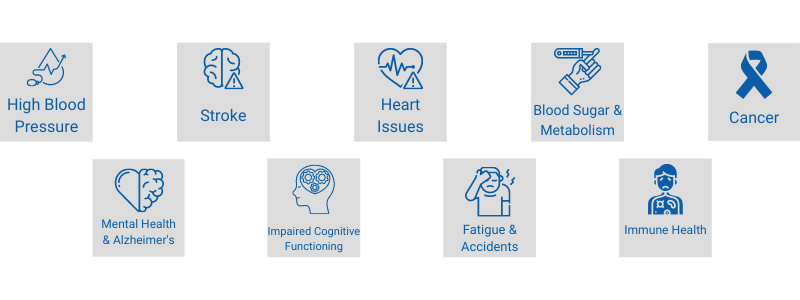
Snoring: Why it Should Be Taken Seriously
Snoring is more than just a sound that occurs during sleep. It is a medical disease that should be diagnosed by a physician and then treated. Snoring has been associated with sleep deprivation, daytime drowsiness, irritability, lack of focus and decreased libido. Loud snoring has been associated with increased risk of heart attacks and strokes.
It is estimated that about 57% of men, and 40% of women in the United States snore. It is not uncommon for people to ignore this phenomenon; however, snoring could be a huge indicator of OSA. Much like OSA, if you snore, be sure to mention this to your physician.